Instagram Telegram Youtube Linkedin
PERSIAN
  • Contact us
  • About us
  • Blogs
  • Products
  • Home
Menu
  • Contact us
  • About us
  • Blogs
  • Products
  • Home
our site logo
persian
our site logo
Menu
  • Contact us
  • About us
  • Blogs
  • Products
  • Home
What is INOPREGNA made of?
?What is INOPREGNA made of
22 دسامبر 2021
The 4th generation folate
23 فوریه 2022
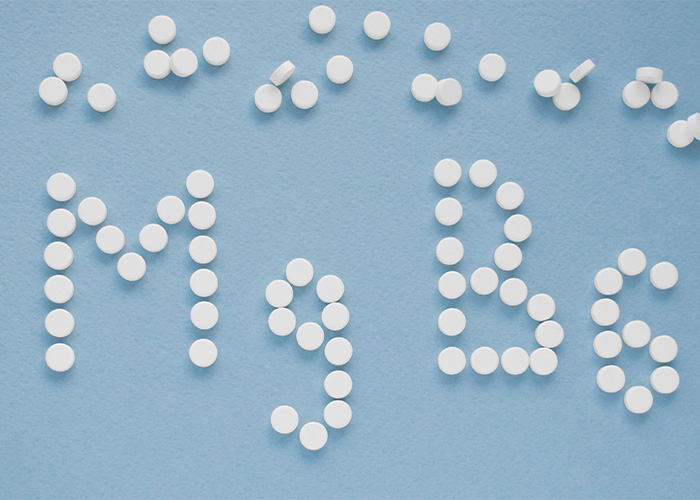
What mag pyro made of?

?What mag pyro made of

Each sachet (5g) contains:

305.44mgMagnesium (as magnesium glycinate)
94.55mgMagnesium (az magnesium oxide)
5mgVitamin B6 (pyridoxine HCl)


Magnesium

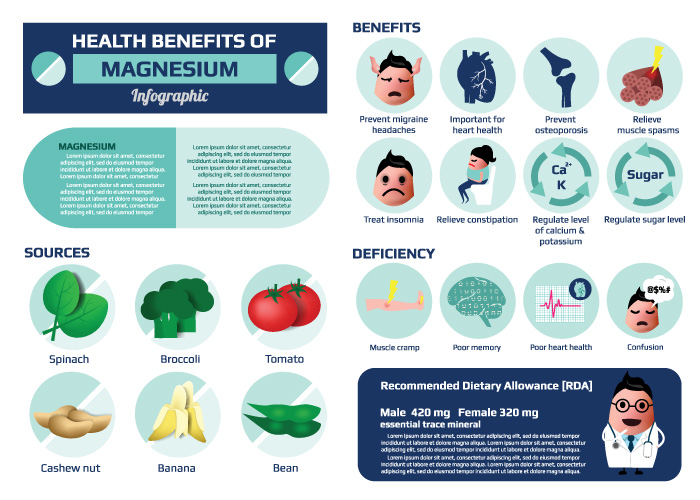
Magnesium is the fourth most abundant mineral in your body.

It’s involved in over 600 cellular reactions, from making DNA to helping your muscles contract.

Low magnesium levels have been linked to many negative health outcomes, including weakness, depression, high blood pressure, and heart disease.

What does magnesium do for the body?

  • Maintains Healthy Brain Function
  • Maintains a Healthy Heartbeat
  • Helps Regulate Muscle Contractions
  • May Lower Blood Pressure
  • May Reduce the Risk of Heart Disease
  • May Improve Blood Sugar Control in Type 2 Diabetes
  • Can Improve Sleep Quality
Magnesium deficiency

Magnesium deficiency

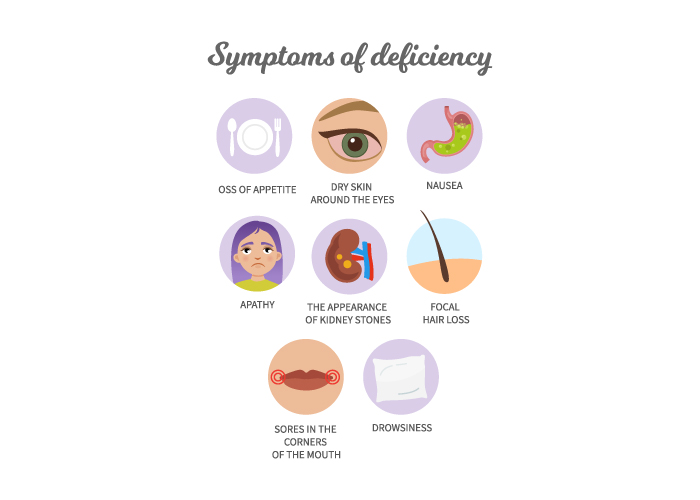
Early signs of magnesium deficiency include loss of appetite, nausea, vomiting, fatigue, and weakness. As magnesium deficiency worsens, numbness, tingling, muscle contractions and cramps, seizures, personality changes, abnormal heart rhythms, and coronary spasms can occur.

Severe magnesium deficiency can result in hypocalcemia or hypokalemia

(low serum calcium or potassium levels, respectively) because mineral

homeostasis is disrupted.

Who needs more magnesium?

Who needs more magnesium?

An adult woman needs about 310 milligrams of magnesium a day, and 320 milligrams after age 30. Pregnant women need an extra 40 milligrams. Adult men under 31 need 400 milligrams and 420 milligrams if they’re older. Kids need anywhere from 30 to 410 milligrams, depending on their age and gender.

  • People with gastrointestinal diseases
  • People with type 2 diabetes
  • People with alcohol dependence

What’s the difference between magnesium glycinate and magnesium oxide?

The magnesium molecule is always the same but what it’s produced leads to different names. But it’s more than just a name these different types offer varying benefits and some have tradeoffs too.

Magnesium Oxide is a smaller molecule so you can consume a greater amount but it isn’t absorbed by the body well. This often leads to a laxative effect, making it a great option for constipation.

On the other hand, Magnesium Glycinate is larger by volume so you’ll be consuming less magnesium per mg. But it has a stronger bioavailability so you’ll still absorb more compared to magnesium oxide. Magnesium Glycinate is a better option for reducing stress and anxiety.

So between Magnesium Oxide and Magnesium Glycinate, which is better? Well, it depends on what you’re looking for. If you need help going, go with Magnesium Oxide. But if you’re struggling with stress or anxiety, Magnesium Glycinate is the better option.

Vitamin B6

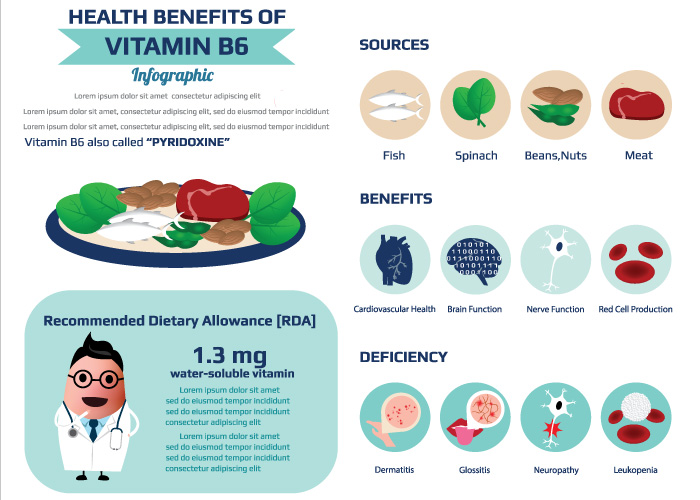
Vitamin B6, also known as pyridoxine, is a water-soluble vitamin that your body needs for several functions.

It’s significant to protein, fat, and carbohydrate metabolism and the creation of red blood cells and neurotransmitters.

Your body cannot produce vitamin B6, so you must obtain it from foods or supplements.

Consuming adequate amounts of vitamin B6 is important for optimal health and may even prevent and treat chronic diseases.

Here are 9 health benefits of vitamin B6, backed by science.

As a coenzyme, vitamin B6 is involved as a cofactor in over 100 enzymatic reactions including amino acid metabolism, carbohydrate metabolism, and lipid metabolism. It contributes to cognitive development via neurotransmitter synthesis, immune function via interleukin-2 production, and hemoglobin formation.

Vitamin B6 deficiency

The benefit of vitamin B6

  • Improve Mood and Reduce Symptoms of Depression
  • Promote Brain Health and Reduce Alzheimer’s Risk
  • Prevent and Treat Anemia by Aiding Hemoglobin Production
  • May Be Useful in Treating Symptoms of PMS
  • Help Treat Nausea During Pregnancy
  • Prevent Clogged Arteries and Reduce Heart Disease Risk
  • May Help Prevent Cancer
  • May Promote Eye Health and Prevent Eye Diseases
  • Treat Inflammation Associated With Rheumatoid Arthritis

Vitamin B6 deficiency

Vitamin B6 deficiency may present with seizures, mental status changes, normocytic anemia, a nonspecific pruritic rash, cheilitis, glossitis, and depression.

Symptoms of Vitamin B6 Deficiency

  • Skin Rashes
  • Cracked and Sore Lips
  • Sore, Glossy Tongue
  • Mood Changes
  • Weakened Immune Function
  • Tiredness and Low Energy
  • Tingling and Pain in Hands and Feet
  • Seizures

What is mag pyro goof for?   

a benefit of B vitamins and magnesium supplements is that they don’t compete for absorption inside your body. Indeed, many supplements combine them as a way of simplifying how you monitor your intake.

Benefits of vitamin B6 and magnesium working in tandem:

  • Energy creation: Helps convert food into energy.
  • Protein formation: Helps create new proteins from amino acids.
  • Gene maintenance: Helps create and repair DNA and RNA.
  • Muscle movements: This is part of the contraction and relaxation of muscles.
  • Nervous system regulation: Helps regulate neurotransmitters, which send messages throughout your brain and nervous system.

Uses:

 One sachet daily, preferably after a meal.


References:

  1. Institute of Medicine (IOM). Food and Nutrition Board. Dietary Reference Intakes: Calcium, Phosphorus, Magnesium, Vitamin D and Fluoride. Washington, DC: National Academy Press, 1997.
  2. Rude RK. Magnesium. In: Coates PM, Betz JM, Blackman MR, Cragg GM, Levine M, Moss J, White JD, eds. Encyclopedia of Dietary Supplements. 2nd ed. New York, NY: Informa Healthcare; 2010:527-37.
  3. Rude RK. Magnesium. In: Ross AC, Caballero B, Cousins RJ, Tucker KL, Ziegler TR, eds. Modern Nutrition in Health and Disease. 11th ed. Baltimore, Mass: Lippincott Williams & Wilkins; 2012:159-75.
  4. Fine KD, Santa Ana CA, Porter JL, Fordtran JS. Intestinal absorption of magnesium from food and supplements. J Clin Invest 1991;88:396-402. [PubMed abstract]
اشتراک گذاری
0
aylar.hz
aylar.hz

مطالب مرتبط

23 فوریه 2022

The 4th generation folate


اطلاعات بیشتر
What is INOPREGNA made of?
22 دسامبر 2021

?What is INOPREGNA made of


اطلاعات بیشتر
FLEX UP PLUS
24 نوامبر 2021

?What is FLEX UP PLUS made of


اطلاعات بیشتر

دیدگاهتان را بنویسید لغو پاسخ

نشانی ایمیل شما منتشر نخواهد شد. بخش‌های موردنیاز علامت‌گذاری شده‌اند *

Contact Information ————

Phone : 02191007002

Voice of Customer : 1603

Email : info@shayganpharma.com

Getting to know Us ————

  • Points and Suggestions
  • Careers

Links ————

  • Products
  • About Us
  • Medical Hints
  • Contact Us

Newsroom ————

  • News
  • Expo
  • Achivements
  • ADR Reports


our site logo

.The material and spiritual rights of this site belong to Darou Afshan Shaygan Company